Evals Are the Moat: Why AI Products Defend on Evaluation, Not Models
The durable moat in applied AI is not the model. It is the eval suite: the one asset competitors cannot rent, and the one due diligence should price.
What technical due diligence examines, the red flags that kill deals versus reprice them, how AI changes the checklist, and how to scope a rigorous review.
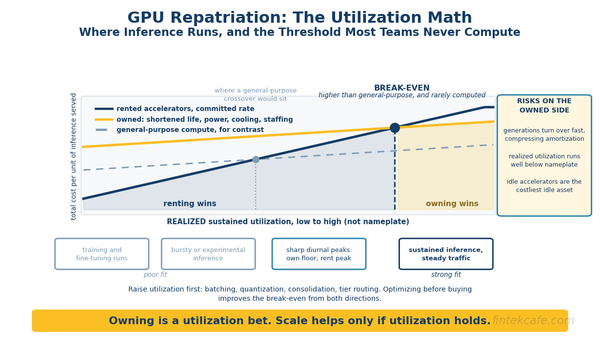
Cloud repatriation is real but misreported. Which workloads actually leave, the breakeven math, the hidden costs, and the portfolio framework that results.
A five-level maturity model for enterprise AI agent readiness, with deterministic entry gates and a self-assessment matrix executives can score in minutes.
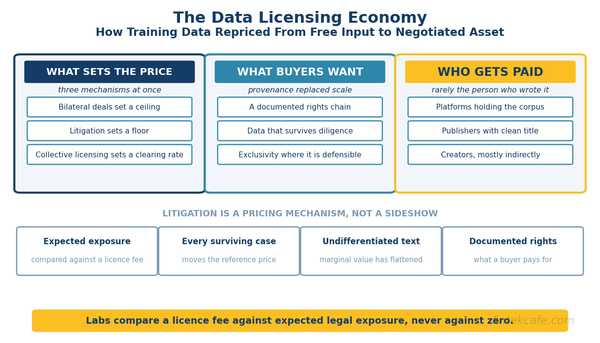
Model distillation trains a small student on a frontier teacher's outputs. When it wins, when it fails, the provider-terms question, and the break-even math.
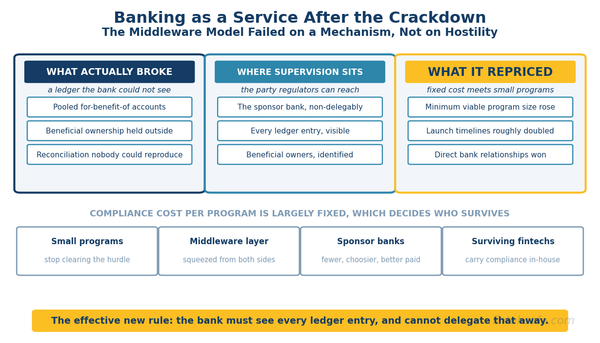
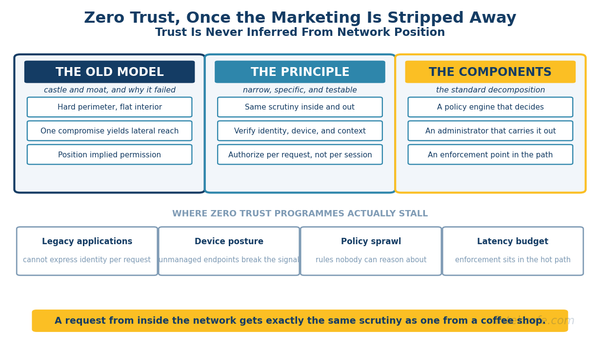
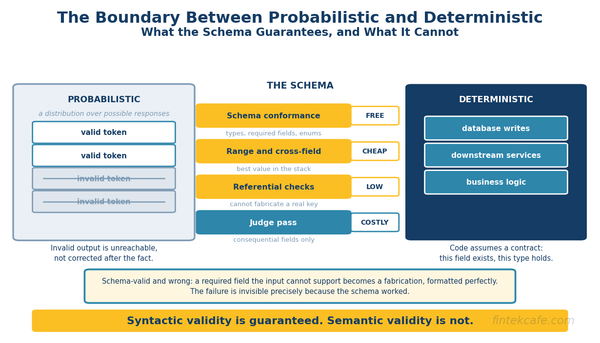
This week: the guardrail layer LLM features are missing, a production AI reference architecture, who profits in BaaS, and why prompt engineering died.
Prompting is a commoditized layer now. The real leverage moved to context engineering: assembling the right information into the window at the right time.
At scale, single-processor checkout is a point of failure and a margin leak. How payment orchestration routes across processors to lift authorization rates.
Best-of-breed unbundling gave data teams a sprawl of tools. The integration tax now exceeds the benefit, and the pendulum is swinging back.
Event-driven architecture is sold as the default for scale. The real wins, the distributed-systems tax, and how to tell when async messaging is worth it.
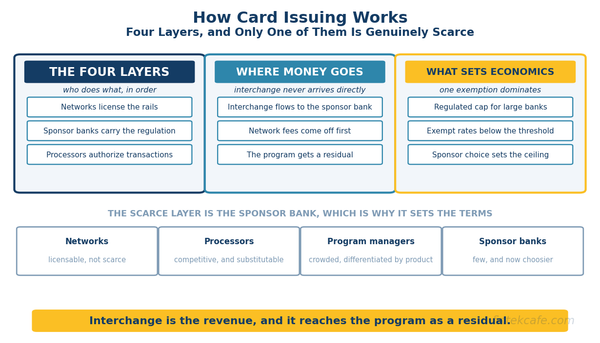
The BaaS pitch sells embedded banking as free margin. The economics are thinner and the profit pools somewhere founders rarely look. Here is where.
A practitioner reference architecture for production AI: the eight layers of the enterprise AI stack and a deterministic way to choose at each one.